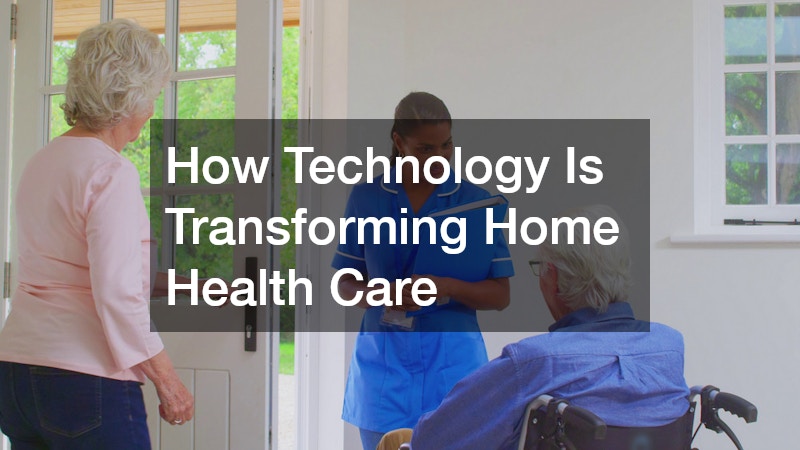
Home health care is evolving at an unprecedented pace, driven largely by technological advancements that make caring for loved ones easier, safer, and more efficient. For families managing the care of elderly relatives or those with chronic conditions, technology offers solutions that were unimaginable just a decade ago. From remote monitoring devices to smart medication management, innovations are helping families provide high-quality care without the constant need for hospital visits.
Caring for a loved one at home can be overwhelming, both emotionally and physically. Many families struggle to balance work, personal life, and caregiving responsibilities, often feeling isolated or unsure about whether they are providing the best support.
Technology in home health care helps bridge this gap, giving families tools to monitor, manage, and improve the well-being of their loved ones while reducing stress and uncertainty.
This article explores how technology is reshaping home health care, highlighting key developments, practical applications, and the benefits for families and patients alike.
Remote Monitoring: Staying Connected Even from Afar
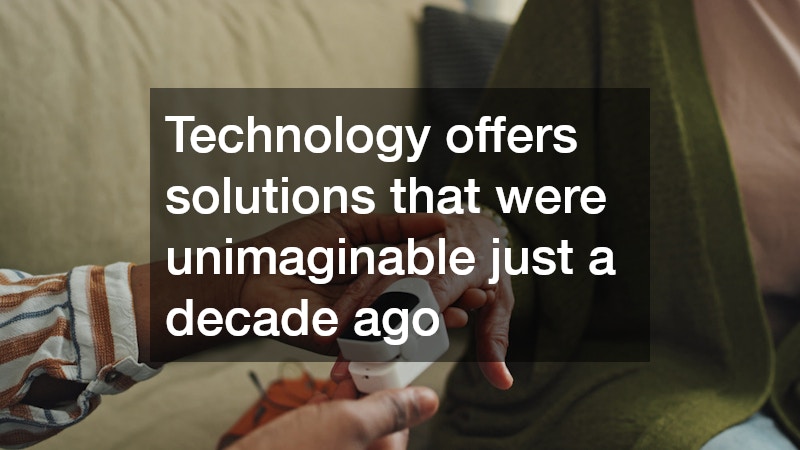
One of the most significant ways technology is transforming home health care is through remote monitoring. Devices like wearable heart monitors, glucose sensors, and blood pressure cuffs allow healthcare providers to track patients’ vital signs in real time. These tools send data directly to physicians, enabling early detection of potential health issues and reducing the likelihood of emergency hospital visits.
For families, remote monitoring provides peace of mind. Instead of constantly worrying about whether a loved one is taking medications correctly or experiencing health fluctuations, family members can receive alerts when something requires attention. For instance, if an elderly parent’s heart rate spikes unexpectedly, caregivers can be notified immediately and take action. This reduces anxiety and allows families to intervene early, potentially preventing serious complications.
Beyond the medical benefits, remote monitoring also fosters independence for patients. Seniors, in particular, can maintain their routines at home while still under professional supervision. This combination of safety and autonomy is a cornerstone of modern home health care, illustrating how technology is not just about clinical data but also about improving quality of life.
Smart Home Devices: Making Daily Care Easier
Another area where technology is making a profound impact is the integration of smart home devices into in home care routines. Voice-activated assistants, smart lighting, and automated reminders are helping patients manage daily tasks with less reliance on family members. For example, a smart speaker can remind a patient to take medications, schedule appointments, or even alert family members if an emergency arises.
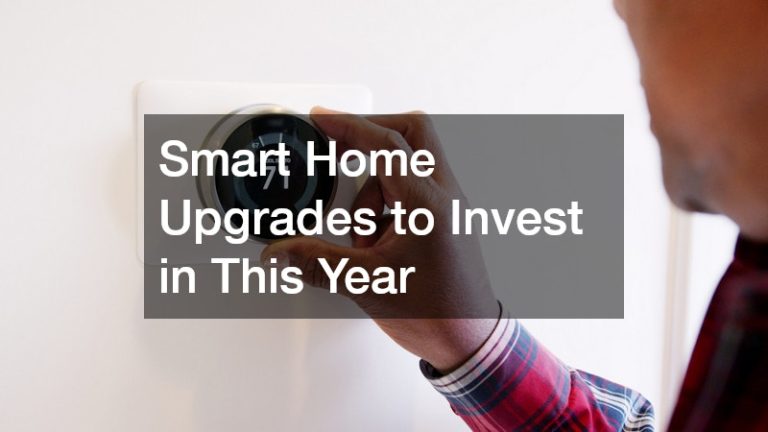
Smart home devices also help reduce risks associated with home living. Motion sensors can detect falls, smart thermostats ensure comfortable and safe temperatures, and connected appliances can prevent accidents like leaving the stove on. Families can monitor these systems remotely, allowing them to check in and maintain a safe environment without being physically present at all times.
These innovations demonstrate how home health care is no longer confined to clinical settings. By merging healthcare with everyday technology, families can support patients’ independence while maintaining high levels of safety and oversight. For those managing long-term care, these tools represent a significant reduction in stress and a more manageable approach to daily responsibilities.
Telehealth and Virtual Consultations: Bringing Care to the Living Room
Telehealth has emerged as another transformative force in home care. Video consultations with physicians, nurses, or specialists allow patients to receive professional guidance without leaving their homes. For families, this is especially valuable because it eliminates the logistical challenges of arranging transportation, waiting in clinics, and navigating complex healthcare systems.
Virtual consultations can cover a wide range of services, from routine check-ins to therapy sessions. For example, physical therapists can guide patients through exercises via video, while mental health professionals offer counseling remotely. This flexibility ensures that patients receive consistent care, even if mobility is limited or if family members live far away.
Telehealth also encourages better communication between families and healthcare providers. Digital records, real-time updates, and easy access to medical advice mean that caregivers can make informed decisions quickly. This collaborative approach enhances the effectiveness of home health care, ensuring that families are partners in the care process rather than passive observers.
Technology is fundamentally reshaping in home care, making it more accessible, efficient, and responsive to the needs of both patients and families. Remote monitoring devices, smart home integration, and telehealth services are not only improving medical outcomes but also enhancing the overall experience of care. Families can stay connected to their loved ones, maintain their independence, and reduce the stress associated with daily caregiving.
As innovation continues, the potential for technology in home health care is boundless. Artificial intelligence, predictive analytics, and advanced wearable devices promise even more personalized and proactive solutions in the near future. For families, this means a higher quality of care delivered with greater convenience and peace of mind. Embracing these technological advancements ensures that patients can remain safely at home while receiving the attention and treatment they need, ushering in a new era of compassionate, efficient, and effective in-home care.
About the Author