Homeowners often think about pest problems only after seeing insects, rodents, or wildlife inside the house. However, many exterior threats begin with conditions around the property, including gaps in the structure, roof damage, accumulated debris, neglected landscaping, and areas where moisture collects. Addressing these conditions can make a home less appealing to unwanted pests and help prevent minor problems from becoming more disruptive.
A practical approach involves regular inspections, exterior maintenance, proper cleanup, and timely professional assistance when specialized problems develop. Homeowners should pay particular attention to attics, rooflines, foundations, garages, sheds, and other areas that can provide access or shelter.
Seal Common Entry Points Before Rodents Get Inside
Rodents can take advantage of surprisingly small openings around a home. Cracks near the foundation, gaps around pipes, damaged screens, spaces beneath doors, and openings around utility lines can all provide potential access. A thorough inspection should cover both the lower and upper portions of the structure because rodents can move through wall cavities, attics, garages, and other connected areas.
Effective rodent proofing starts with identifying how animals could enter rather than simply responding after they are already inside. Homeowners should inspect areas where different building materials meet, especially around doors, vents, windows, and utility penetrations. Materials used for repairs should be appropriate for the size and location of the opening and durable enough to withstand weather and animal activity.
- Check foundation walls for cracks and openings.
- Repair damaged door sweeps and window screens.
- Inspect openings surrounding plumbing and electrical lines.
- Keep food and pet food in sealed containers.
- Remove accessible garbage and food debris from outdoor areas.
Regular inspections are particularly useful after storms, renovations, or other changes to the exterior. New gaps can develop over time, so prevention should be treated as an ongoing part of home maintenance rather than a one-time project.
Address Wildlife Access Around Attics and Rooflines
Attics and rooflines can provide sheltered spaces for wildlife, particularly when damaged exterior components create easy access. Homeowners may notice noises, droppings, unusual odors, or signs of activity before actually seeing an animal. These warning signs should prompt an inspection of the exterior and the affected interior areas.
When bats are involved, homeowners should avoid trying to capture or handle them themselves. Bat removal may involve identifying where animals are entering and determining whether they have established access to an attic or another enclosed space. The goal should include addressing the access point so the same problem does not repeatedly occur.
Homeowners can monitor vulnerable areas by:
- Inspecting roof edges, vents, and openings for damage.
- Checking attic spaces for stains, droppings, or unusual odors.
- Looking for damaged screens or covers over vents.
- Keeping chimneys and other openings appropriately protected.
- Calling qualified professionals when wildlife is present inside the structure.
After an animal has been removed or excluded, the surrounding area may still require attention. Damage, contaminated materials, and entry points should be evaluated separately so the property can be restored and the conditions that contributed to the problem can be addressed.
Clear Outdoor Clutter That Can Attract Pests
Outdoor clutter can create shelter for insects, rodents, and other unwanted animals. Old furniture, unused appliances, piles of cardboard, construction remnants, and accumulated yard debris can give pests places to hide close to the home. The longer these materials remain undisturbed, the more difficult it can be to identify activity or inspect the surrounding property.
Removing unnecessary items is therefore more than a cosmetic improvement. Homeowners can make exterior inspections easier by keeping garages, sheds, side yards, patios, and areas along the foundation organized. When large amounts of unwanted material have accumulated, junk haulers can provide a practical option for removing items that cannot easily be handled through ordinary household disposal.
A regular cleanup routine can include:
- Removing broken furniture and unused equipment.
- Clearing leaves and organic debris from structures.
- Keeping firewood elevated and away from exterior walls.
- Eliminating unnecessary piles near garages and sheds.
- Checking hidden spaces after large items are removed.
Decluttering can also reveal problems that were previously hidden. Once stored materials are moved, homeowners may discover damaged siding, moisture, pest droppings, holes, or deteriorating wood. These findings can then be addressed before they contribute to a larger exterior maintenance problem.
Build a Consistent Pest Prevention Routine
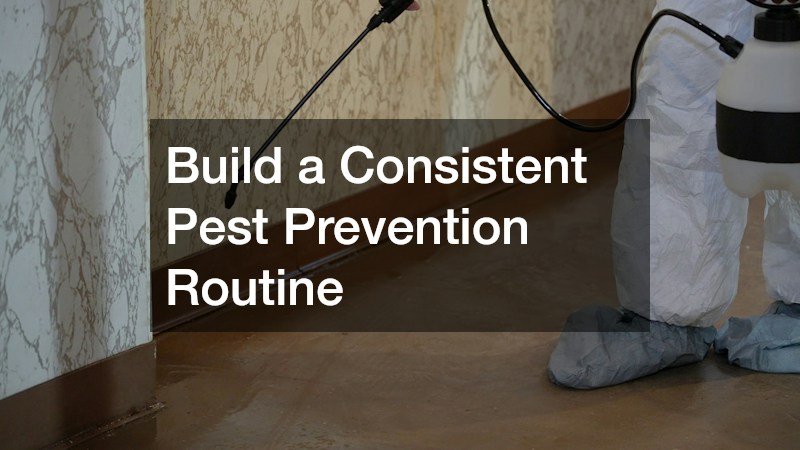
Waiting until a pest infestation becomes obvious can make the problem more difficult to manage. A consistent preventative routine gives homeowners opportunities to identify conditions that attract pests before activity becomes widespread. This involves more than applying treatments. It also requires attention to sanitation, moisture, structural openings, landscaping, and storage practices.
Residential pest control can be incorporated into a broader home maintenance schedule based on the property’s needs. Homeowners should keep track of areas where insects or rodents have previously appeared and pay particular attention to recurring issues. A history of activity can help identify patterns, such as problems associated with certain seasons, moisture conditions, or exterior features.
Useful preventative habits include:
- Inspecting exterior walls and foundations periodically.
- Keeping vegetation trimmed away from the structure.
- Repairing leaking faucets, hoses, and drainage problems.
- Storing household waste in closed containers.
- Checking garages, basements, attics, and storage areas regularly.
Professional assistance can be useful when homeowners identify persistent activity or conditions that are difficult to address independently. Combining professional services with routine property maintenance provides a more comprehensive approach than relying on a single treatment after an infestation has already developed.
Reduce Stinging Insect Risks Around Outdoor Areas
Stinging insects can become a significant concern when nests develop near doors, patios, play areas, outdoor kitchens, garages, or other frequently used spaces. Homeowners should pay attention to repeated insect activity around a particular location rather than waiting until a nest becomes highly visible.
Hornet extermination may be appropriate when an established nest creates a risk that cannot be safely addressed through ordinary maintenance. Homeowners should avoid disturbing active nests or attempting to remove them without appropriate knowledge and equipment. The location of the nest, the species involved, and its proximity to people can all affect how the situation should be handled.
Homeowners can reduce potential attractants by:
- Covering outdoor food and beverages.
- Cleaning spills promptly.
- Keeping garbage containers closed.
- Removing fallen fruit from yards.
- Inspecting eaves, sheds, decks, and other sheltered areas.
Outdoor inspections are particularly important during periods when people spend more time outside. Identifying repeated insect activity early can help homeowners determine whether a nest may be developing and whether professional assistance is appropriate.
Inspect Attic Insulation for Signs of Pest Activity
The condition of attic insulation can provide clues about what has been happening in an otherwise rarely used area. Wildlife and pests may disturb insulation while entering, nesting, or moving through the attic. Moisture, droppings, nesting materials, and physical displacement can affect both the condition of the material and the surrounding attic environment.
Homeowners should inspect accessible attic areas for visible changes and pay attention to unexplained odors, stains, or evidence of animal activity. Insulation companies can help evaluate damaged or deteriorated insulation when replacement or improvement becomes necessary. However, replacing insulation alone does not address an underlying access problem.
Before or during an attic project, homeowners should consider:
- Identifying potential entry points.
- Checking the roof and ventilation components.
- Looking for signs of moisture.
- Separating pest damage from ordinary insulation deterioration.
- Addressing wildlife or pest activity before replacing affected materials.
Coordinating attic work with exterior repairs can make the overall project more effective. If an entry point remains open, newly installed insulation could become damaged again. Homeowners should therefore consider the condition of the entire attic system rather than treating insulation as an isolated component.
Keep Roofs Maintained to Block Exterior Entry Points

The roof is one of the home’s primary barriers against weather and unwanted outdoor access. Damaged shingles, deteriorated flashing, gaps around vents, loose soffits, and damaged fascia can create openings through which insects and wildlife may enter.
A roofing service can address exterior conditions that homeowners may have difficulty evaluating safely from the ground. Homeowners should also pay attention to changes inside the attic, such as water stains, daylight visible through roof assemblies, or unusual activity near roof penetrations. These signs can point toward problems that require closer inspection.
Routine roof maintenance should include:
- Looking for visibly damaged or missing roofing materials.
- Checking flashing around penetrations and roof transitions.
- Inspecting soffits and fascia for deterioration.
- Keeping gutters and drainage components clear.
- Reviewing the roof after significant weather events.
Roof maintenance and pest prevention often overlap. A repaired roof can reduce access points while also limiting moisture intrusion. When homeowners address exterior defects promptly, they can reduce the number of conditions that make the property more vulnerable to wildlife and insects.
Coordinate Property Issues Across Gated Communities
Individual homeowners are not always responsible for every exterior condition that can affect their property. In a gated community, shared landscaping, common structures, waste areas, roads, drainage systems, and other maintained spaces can influence conditions throughout the neighborhood. Problems in one area may sometimes affect nearby properties as well.
AI gated community management can support organized communication and maintenance coordination when communities use technology to manage property-related information. Instead of treating individual reports as isolated complaints, community managers can organize maintenance requests, track recurring concerns, and communicate with residents about shared property issues.
Useful management practices can include:
- Recording recurring pest or exterior maintenance reports.
- Tracking repairs involving common areas.
- Coordinating inspections of shared structures.
- Communicating maintenance schedules to residents.
- Documenting conditions that require follow-up.
Technology does not replace physical inspections or specialized services. Its value comes from helping property managers and residents organize information and respond consistently. Clear communication can be especially helpful when exterior conditions affect multiple homes or when repairs involve common property.
Respond Carefully to Serious Contamination Problems
Some pest and wildlife incidents can leave behind biological material that requires more than ordinary household cleaning. Droppings, carcasses, contaminated materials, or other substances can create concerns that should be assessed carefully, particularly when the affected area is enclosed, difficult to access, or heavily contaminated.
A biohazard cleanup company may be appropriate for situations involving specialized contamination cleanup. Homeowners should avoid disturbing heavily affected materials unnecessarily and should keep children and pets away from areas that may present a contamination concern.
When a serious contamination issue occurs, homeowners should:
- Restrict access to the affected area.
- Avoid unnecessary handling of contaminated materials.
- Identify the source of the contamination.
- Determine whether building materials were affected.
- Address the underlying pest or wildlife problem.
Cleanup should not be viewed as the final step if the source remains unresolved. For example, removing contaminated materials without addressing an opening that allows wildlife to return could result in another incident. Coordinating cleanup, repairs, and pest or wildlife management can provide a more complete response.
Protect Structural Areas From Termite Damage
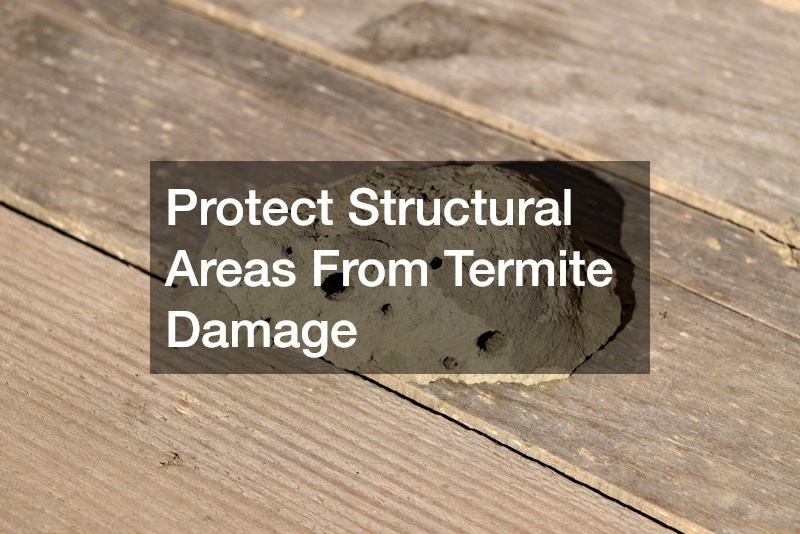
Termites can affect structural wood and other portions of a property, making early attention important when signs of activity appear. Homeowners may notice mud tubes, damaged wood, discarded wings, or other indications that termites may be present.
A termite exterminator can evaluate suspected activity and determine what type of treatment may be appropriate for the property. Homeowners should not assume that every damaged piece of wood indicates termites, but unexplained structural deterioration deserves attention, particularly when moisture or soil contact is also present.
Preventative property maintenance can include:
- Keeping soil and wood contact points under observation.
- Addressing plumbing and drainage leaks promptly.
- Keeping stored materials from concealing foundation areas.
- Inspecting crawl spaces and other vulnerable areas.
- Watching for changes in exposed wood.
Professional inspection can help distinguish active termite activity from old or unrelated damage. Once a problem has been identified, homeowners should also address environmental conditions that may contribute to future concerns. Regular monitoring can then become part of the property’s long-term maintenance routine.
Managing pests and exterior threats requires homeowners to look beyond the occasional insect or animal that appears inside the house. Exterior conditions, structural openings, roof damage, accumulated clutter, moisture, neglected storage areas, and shared property concerns can all contribute to problems that become more difficult when left unaddressed.
By combining everyday maintenance with professional support when necessary, homeowners can respond to problems more systematically. Keeping the property clean, maintained, and regularly inspected can also make it easier to identify developing concerns before they create more extensive disruptions.
About the Author