A beautiful home is great to look at, but a functional home changes the way everyday life feels. The difference becomes obvious in small moments: finding what you need without searching through cluttered drawers, moving easily through a kitchen while cooking dinner, or staying comfortable in every room regardless of the season. Remodeling with functionality in mind is less about chasing trends and more about making your home work better for the people living in it.
Many homeowners begin remodeling because something no longer fits their lifestyle. Maybe the family has grown, work-from-home routines have changed how rooms are used, or older layouts simply no longer make sense. Smart remodeling focuses on solving those problems intentionally. Instead of renovating for appearance alone, the goal becomes creating spaces that feel easier, more efficient, and more adaptable over time.
The most successful remodeling projects usually start with observation. Before knocking down walls or buying new fixtures, it helps to study how the home actually functions day to day. Which rooms collect clutter? Where does the traffic bottleneck every morning? Which areas remain underused? The answers often reveal opportunities that can dramatically improve comfort without requiring a complete overhaul.
Evaluating How Daily Habits Shape Remodeling Decisions

A functional remodel begins long before construction starts. It begins with paying attention to routines. Families often adapt to inconvenient layouts without realizing how much those inconveniences affect daily life.
For example, a kitchen may technically have enough square footage, but poor storage placement forces constant movement while cooking. A hallway may seem harmless until everyone tries to leave the house at the same time each morning. Over time, those frustrations accumulate.
One useful approach is to walk through a normal day and make notes about recurring obstacles. Consider questions such as:
- Which spaces feel crowded most often?
- Where does clutter accumulate?
- Which rooms are rarely used?
- What tasks take longer than they should?
- Are there areas that feel uncomfortable in certain seasons?
Sometimes the most impactful changes are surprisingly small. Moving laundry closer to bedrooms, adding storage near entryways, or improving lighting in workspaces can noticeably improve everyday life.
Budget planning also matters early in the process. Homeowners often underestimate how quickly costs rise when projects expand mid-construction. Prioritizing changes according to daily impact helps keep spending aligned with actual needs rather than impulse upgrades.
Another important consideration is future flexibility. A home that works perfectly today should still function well five or ten years from now. A playroom may later become a study space. A guest room could evolve into a home gym or office. Functional remodeling anticipates those shifts rather than locking rooms into rigid purposes.
Improving Comfort Through Smarter Energy Upgrades
Comfort issues often reveal deeper inefficiencies inside the home. Uneven temperatures, high utility bills, or rooms that never seem comfortable usually indicate that older systems are struggling to support modern living demands.
In many homes, heating and cooling systems operate inefficiently simply because the layout has changed over time. A finished basement, added walls, or expanded living spaces can affect airflow dramatically. Working with an experienced HVAC contractor can help homeowners identify whether airflow adjustments, duct modifications, or upgraded equipment would improve performance more effectively than constant repairs.
Regional climate also influences remodeling priorities. In areas with extreme seasonal temperatures, local heating contractors often recommend zoning systems that allow homeowners to control temperatures independently in different parts of the home. That can reduce wasted energy while improving comfort in rooms that previously felt too hot or too cold.
Lighting improvements are another frequently overlooked opportunity. Poor lighting affects productivity, mood, and even safety. During remodeling, homeowners often discover that their lighting layout was designed for older lifestyles that no longer fit modern routines.
Instead of relying on one overhead fixture per room, layered lighting creates flexibility. Combining ambient, task, and accent lighting makes spaces easier to use throughout the day. Kitchens benefit from under-cabinet lighting, while living rooms often feel more inviting with dimmable options.
Electrical planning becomes especially important in older homes. Many houses simply were not designed for today’s technology demands. Additional outlets, USB charging stations, and dedicated circuits for high-powered appliances can make rooms substantially more practical. Experienced residential electricians can also help homeowners future-proof spaces by planning for smart home integrations during the remodeling process instead of retrofitting them later.
Creating Storage That Reduces Everyday Stress

Storage problems rarely announce themselves dramatically. Instead, they appear gradually through piles of shoes near entryways, overflowing closets, or kitchen counters crowded with appliances that have nowhere else to go.
One of the smartest remodeling strategies is designing storage around actual habits rather than idealized organization systems. A perfectly designed closet is useless if it does not support how the homeowner realistically lives.
Custom storage solutions often work best when tailored to specific routines. A family with young children may need accessible bins and flexible shelving. Someone working remotely may need hidden office storage that keeps work materials organized without dominating living areas.
Professional closet installers often focus on maximizing overlooked vertical space. Adjustable shelving, pull-out compartments, and integrated drawers allow smaller closets to function far more efficiently than standard layouts. Even modest upgrades can reduce clutter significantly when the design reflects real storage needs.
Basements also present enormous opportunities for functional expansion. Many unfinished basements become catch-all storage areas simply because homeowners are unsure how to use them effectively. Yet those spaces can dramatically increase usable square footage when remodeled intentionally.
A skilled basement remodeler may help transform underused lower levels into practical spaces such as:
- Guest suites
- Home theaters
- Workout rooms
- Quiet offices
- Multi-purpose family areas
Moisture management remains especially important in basement projects. Waterproofing, ventilation, and insulation should be prioritized early because cosmetic finishes alone will not solve underlying environmental issues. Proper planning creates spaces that feel fully integrated into the rest of the home rather than temporary add-ons.
Designing Kitchens Around Real-Life Routines
Kitchens often become the center of household activity, which means functional problems there affect nearly every day. Yet many older kitchens were designed around aesthetics or outdated appliance sizes rather than modern cooking and gathering habits.
One common issue involves inefficient movement. When refrigerators, sinks, and cooking surfaces are poorly positioned, meal preparation becomes unnecessarily frustrating. Functional remodeling focuses on improving flow before selecting decorative finishes.
Storage placement also matters more than homeowners sometimes expect. Keeping frequently used cookware near cooking areas or placing dishes closer to the dishwasher may seem minor, but these decisions reduce repetitive movement throughout the day.
Surface selection plays a major role in long-term usability as well. Durable countertops help simplify maintenance while supporting everyday tasks like meal prep, homework, and entertaining. Different materials suit different lifestyles. Families with children may prioritize stain resistance and durability, while avid cooks may prefer heat-resistant surfaces.
Plumbing upgrades often become necessary during kitchen remodeling, especially in older homes where outdated pipes or poorly positioned fixtures create recurring inconveniences. A licensed plumber can help improve sink functionality, water pressure, and appliance compatibility while ensuring updated systems meet current building requirements.
Some homeowners also underestimate how much emotional impact a well-designed kitchen can have. A cramped or disorganized kitchen often discourages cooking altogether. By contrast, a thoughtful layout naturally encourages healthier routines, easier entertaining, and more relaxed family interactions.
One homeowner described finally renovating her kitchen after years of frustration with limited counter space. She did not increase the room size dramatically, but relocating the sink and adding better storage transformed how she used the room. Cooking stopped feeling stressful and became enjoyable again. Functional remodeling often creates that kind of subtle but meaningful lifestyle shift.
Reimagining Bathrooms for Comfort and Accessibility

Bathrooms are highly functional spaces by nature, but many older designs fail to support comfort, efficiency, or changing mobility needs.
Small frustrations tend to accumulate there quickly: poor lighting during morning routines, inadequate storage, weak ventilation, or layouts that feel cramped when multiple people use the space at once. Smart remodeling focuses on solving those daily friction points thoughtfully.
An experienced bathroom remodeler may recommend widening walkways, improving storage placement, or replacing bulky tubs with walk-in showers that make better use of available square footage. These adjustments not only improve convenience now but also increase long-term accessibility.
Ventilation deserves particular attention. Excess moisture can quietly damage walls, ceilings, and cabinetry over time. Better airflow reduces mold risks while protecting remodeling investments.
Instead of treating bathrooms purely as utility spaces, many homeowners now prioritize comfort-enhancing features that improve everyday routines. Heated floors, adjustable lighting, and improved sound insulation can make surprisingly large differences in how the space feels.
Technology integration has also become more common. Motion-activated lighting helps during nighttime use, while smart mirrors and programmable temperature controls create more personalized experiences. However, these upgrades work best when integrated carefully during remodeling rather than added later as disconnected features.
Accessibility should remain part of long-term planning even for younger homeowners. Features like curbless showers, wider doorways, and reinforced walls for future grab bars can often be incorporated subtly without affecting aesthetics.
The goal is not simply to create a luxurious bathroom. It is creating one that continues functioning well through different life stages and daily routines.
Preventing Climate Problems Before They Escalate
Many homeowners ignore small comfort issues until they become expensive emergencies. Uneven temperatures, rising energy bills, or unusual system noises often signal developing problems long before complete breakdowns occur.
Routine maintenance remains one of the simplest ways to protect home comfort. Replacing filters regularly, cleaning vents, and scheduling inspections can improve efficiency significantly. Yet even well-maintained systems eventually struggle if the surrounding home environment works against them.
Poor insulation, blocked airflow, or outdated ductwork may force cooling systems to work harder than necessary. In some cases, homeowners repeatedly schedule AC repairs without realizing the underlying issue involves the home layout itself rather than the equipment alone.
Remodeling creates opportunities to address those deeper inefficiencies. Improving insulation, sealing air leaks, or redesigning airflow paths can reduce strain on climate systems substantially.
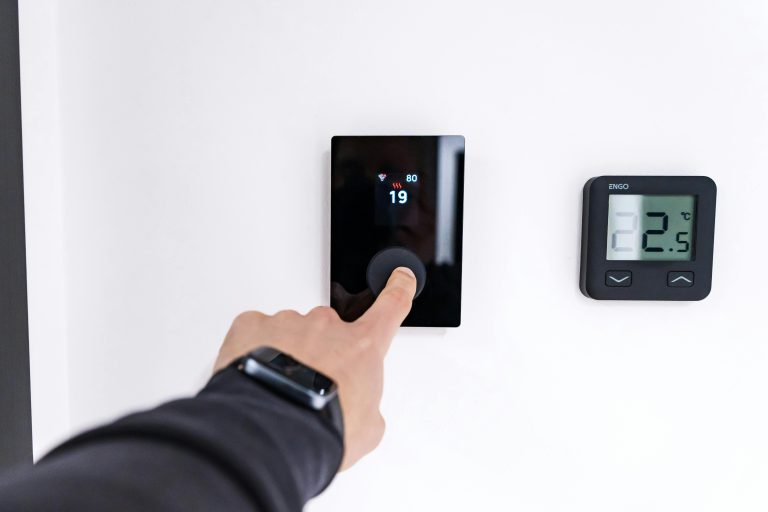
Smart home technology also helps homeowners monitor indoor conditions more effectively than ever before. Sensors can track humidity levels, air quality, and temperature fluctuations in real time. Some systems even adjust automatically based on occupancy or outdoor weather conditions.
Rather than relying on guesswork, homeowners gain more precise control over comfort while reducing wasted energy.
For families balancing busy schedules, these systems offer practical benefits beyond convenience. A home that automatically adjusts temperatures throughout the day can reduce both utility costs and daily mental load. Functional remodeling increasingly focuses on creating environments that quietly support routines in the background instead of demanding constant attention.
Using Window Design to Improve Everyday Living

Windows influence far more than appearance. They affect lighting quality, energy efficiency, privacy, comfort, and even mood.
Many homeowners focus heavily on furniture or wall colors while overlooking how natural light shapes the feel of a room throughout the day. Poorly managed sunlight can create glare, overheating, or privacy concerns that make otherwise attractive spaces uncomfortable to use.
Modern window treatments offer more flexibility than traditional blinds or curtains alone. Layered options allow homeowners to balance light control, insulation, and privacy according to each room’s specific needs.
For example, blackout shades may improve sleep quality in bedrooms, while adjustable solar shades reduce glare in home offices without eliminating natural light entirely.
Motorized systems have become increasingly practical as well. Automated window treatments can adjust throughout the day based on sunlight exposure, indoor temperature, or homeowner schedules. This not only improves comfort but can also reduce strain on heating and cooling systems.
In one remodeled family room, homeowners installed automated shades that closed gradually during peak afternoon sunlight. The room remained cooler, the television glare disappeared, and the air conditioning system no longer worked overtime during the summer months.
Window placement itself may also deserve reconsideration during larger remodels. Expanding or repositioning windows can improve ventilation, increase daylight, and create stronger visual connections to outdoor spaces.
However, bigger is not always better. Functional design prioritizes balance. The goal is to create comfortable, adaptable spaces rather than maximizing glass indiscriminately.
Planning Remodeling Projects With Long-Term Flexibility
One of the most common remodeling mistakes is designing too narrowly around current preferences without considering future adaptability.
Trends change quickly. Family structures evolve. Work habits shift. Functional remodeling succeeds when spaces remain useful through those transitions rather than becoming outdated within a few years.
Flexibility often comes from simplicity and thoughtful infrastructure planning. Open layouts may support changing furniture arrangements more easily. Multi-purpose rooms adapt better to evolving household needs. Built-in storage reduces clutter regardless of how a room’s purpose changes over time.
Technology planning matters as well. Even homeowners who are not deeply interested in smart home systems may benefit from wiring upgrades that simplify future integrations. Adding conduit paths or additional electrical capacity during remodeling costs far less than retrofitting later.
Resale considerations should also remain part of the conversation. Extremely personalized layouts or unusual design choices may limit future buyer appeal. Functional improvements typically provide broader long-term value because they solve universal household frustrations.
That does not mean every remodel should feel generic. Personal style absolutely matters. But the strongest remodeling projects balance personality with practicality.
Some homeowners approach remodeling as a single massive transformation. Others improve functionality gradually over time through phased projects. Both approaches can succeed when guided by a clear understanding of how the home should support everyday living.
The key is intentionality. Every upgrade should answer a practical question:
How will this make life easier, more comfortable, or more efficient?
When remodeling decisions consistently return to that principle, homes tend to age far more gracefully.
About the Author