Highlights
-
Tailored Learning Environments: Private schools offer customized curricula unhindered by standardized public testing constraints.
-
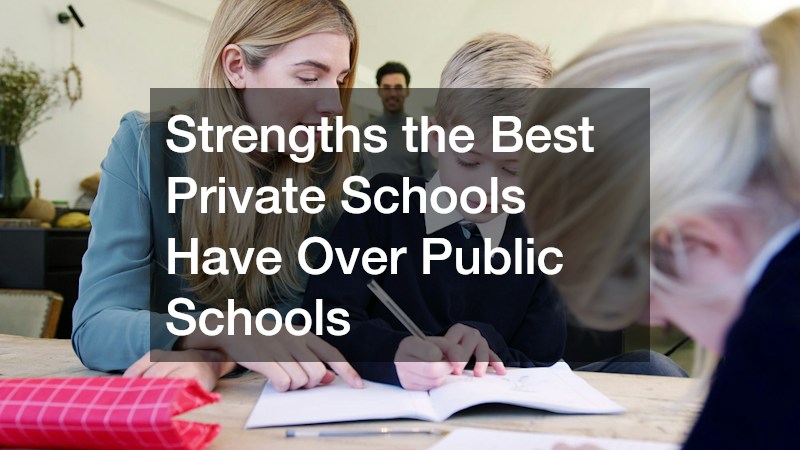
Lower Student-to-Teacher Ratios: Smaller class sizes ensure individualized attention and direct teacher mentorship.
-
Specialized Academic Tracks: Advanced Placement, International Baccalaureate, and niche arts or STEM programs are widely accessible.
-
Higher College Matriculation Rates: Graduates from independent institutions show elevated rates of immediate enrollment in four-year universities.
-
Vibrant Extracurricular Choices: Campus facilities often support specialized sports, fine arts, and leadership initiatives.
-
Strong Community Cohesion: Shared values, active parental involvement, and dedicated alumni networks foster long-term student success.
What Makes Private School Curricula More Flexible Than Public School Programs?
Private institutions operate independently of state-mandated curriculum guidelines, allowing educators unprecedented flexibility in designing their academic courses. While public school districts must strictly align their daily lesson plans with standardized state testing frameworks, independent institutions are free to innovate.
They frequently incorporate interdisciplinary studies, experiential learning projects, and specialized subjects that public options cannot accommodate. This freedom allows teachers to pivot based on class interest and modern industry trends, introducing topics like advanced computer science or philosophy much earlier in a child’s academic trajectory.
Because they do not rely on state funding tied to standardized performance metrics, administrators can prioritize depth of understanding over test preparation. This structural advantage gives students the opportunity to explore subjects in holistic, hands-on ways. Furthermore, educators can adapt the pacing of coursework to match the distinct learning speeds of their students, ensuring no child is left behind or held back by rigid standardized schedules.
How Do Smaller Class Sizes Boost Student Outcomes?
One of the defining physical features of independent primary and secondary education is lower classroom density, which directly impacts student engagement and comprehension. According to official data from the National Center for Education Statistics (NCES), private schools maintain a significantly lower average class size than their public counterparts. This stark statistical difference translates to a dramatic shift in classroom dynamic, enabling educators to provide tailored instruction to every student in the room.
-
Teachers can identify learning gaps immediately rather than relying on quarterly exam results to spot struggling students.
-
Quiet or introverted children receive more frequent opportunities to participate in discussions and express their ideas.
-
Homework and project feedback is substantially more detailed, offering students constructive critiques rather than simple letter grades.
-
Educators spend less time on overall classroom management and significantly more time delivering actual instructional content.
Why Do Best Private Schools Produce Higher College Placement Rates?
Academic outcomes consistently highlight the efficacy of non-public education when preparing high school students for higher education. Data published by the Council for American Private Education (CAPE) indicates that 88 percent of private high school seniors apply to four-year colleges, compared to 57 percent of public school seniors. The best private schools accomplish this by cultivating a pervasive college-going culture from the moment students step onto campus in ninth grade.
College counseling at private institutions is typically personalized and comprehensive, with counselors managing far smaller caseloads than public school guidance staff. This intimate guidance ensures that students build well-rounded application portfolios, secure meaningful letters of recommendation, and target universities that match their long-term professional aspirations. Combined with rigorous honors coursework, this dedicated support system translates directly into superior university acceptance rates across the nation.
What Extracurricular and Leadership Opportunities Exist in Private Institutions?
Beyond traditional academic subjects, independent campuses excel in offering rich, well-funded co-curricular programs that build character and leadership skills. Because funding is often supplemented by tuition and enthusiastic alumni donations, private campuses routinely boast specialized facilities like state-of-the-art visual arts studios, modern robotics labs, and comprehensive athletic complexes. These resources ensure that every student can discover and refine their unique talents outside the classroom.
-
Specialized Performing Arts: Access to professional-grade staging, recording equipment, and specialized theater instructors.
-
Competitive Niche Athletics: Opportunities in sports often absent in public districts, such as rowing, equestrian events, fencing, or squash.
-
Global Leadership Initiatives: Robust debate societies, Model UN delegations, and international exchange programs sponsored by the school.
-
Community Entrepreneurship: Student-run philanthropy projects and incubator programs that teach real-world business acumen.

How Does Campus Culture Impact Overall Student Success?
The socio-emotional environment of an educational institution plays an essential role in a student’s overall development and academic stamina. Independent schools cultivate tight-knit communities where parents, faculty, and administrators share a unified vision for student development. According to research published by the Pew Research Center, the vast majority of private schools maintain smaller total enrollment footprints than traditional public high schools. This manageable scale creates a safe, close-knit environment where students are known personally by faculty members across departments.
This strong sense of community fosters higher accountability and minimizes behavioral disruptions that can derail learning in larger public settings. When students feel safe, valued, and recognized by their peers and mentors, their academic motivation increases significantly. Furthermore, the active alumni networks built by the best private schools provide graduates with invaluable career mentorship and networking opportunities long after they have completed their secondary education.
Selecting the right educational environment is one of the most critical decisions a family can make for a child’s personal and professional future. While public schools serve an essential role in providing accessible education nationwide, independent institutions offer undeniable advantages through smaller class sizes, customizable academic tracks, and dedicated college planning services. By investing in a private education, families secure an environment engineered specifically for holistic growth, academic excellence, and lifelong career achievement.
About the Author