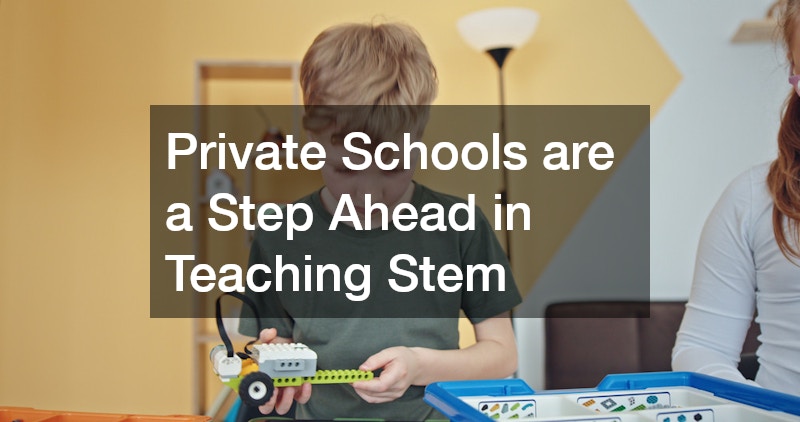
The perception that private schools offer superior education in STEM (Science, Technology, Engineering, and Mathematics) subjects is widely held. Here, we delve into the unique attributes that set private schools apart in their STEM offerings, exploring several key factors and frequently posed questions about this topic. An overview will set the stage for understanding how private schools are able to provide enriched STEM educational opportunities to their students.
Why are private schools able to provide better STEM education?
Smaller Class Sizes and Individual Attention
One of the standout features of private schools is their smaller class sizes, which facilitate more individualized attention for each student. This setup allows teachers to tailor their teaching strategies to fit the needs of individual students, thus reinforcing their understanding of complex STEM subjects.
The personalized learning environment is ideal for students to explore STEM concepts more deeply and fosters an atmosphere of inquiry and engagement. Smaller class sizes also encourage more interaction and participation, allowing students to ask questions and clarify doubts with ease. Overall, the environment created by smaller classes is conducive to a more effective learning experience in STEM education.
Experienced STEM Educators
Private schools attract highly qualified educators who bring specialized STEM expertise and innovative teaching methods to their classrooms. These teachers often hold advanced degrees and possess extensive experience in their respective fields, providing students with knowledge that extends beyond traditional curricula. They employ cutting-edge pedagogical strategies, such as project-based learning and interdisciplinary instruction, to cultivate a deeper understanding of STEM subjects. The emphasis on professional development ensures that STEM instructors remain abreast of the latest scientific and technological developments, further enriching their teaching. Consequently, STEM private schools are renowned for their ability to nurture analytical and creative thinkers equipped for the challenges of the future.
What unique STEM programs do private schools offer?
Specialized STEM Curriculum
Private schools have the autonomy to develop and offer specialized STEM curricula that go beyond standardized programs. These curricula are designed to challenge students and encourage critical thinking, often integrating advanced courses like robotics, biotechnology, and computer science. Offering a wide variety of STEM electives allows students to tailor their education based on their interests and career aspirations. By fostering a customized and in-depth learning experience, private schools enable students to excel in STEM fields early on. As a result, students from STEM private schools often possess a strong foundation and a competitive edge when pursuing higher education and careers in STEM.
Partnerships with STEM Organizations and Institutions
Private schools often cultivate partnerships with leading STEM organizations and institutions, providing their students with invaluable exposure to real-world STEM experiences. These collaborations can include mentorship opportunities, internships, and participation in cutting-edge research projects, which allow students to apply classroom knowledge in professional settings. By engaging with scientists and industry experts, students gain insights into potential career paths and the skills required to succeed in these fields. Such partnerships enrich the educational experience and align students’ learning with current industry trends and demands. Through these relationships, STEM private schools connect students with a network of professionals who can guide and inspire their STEM endeavors.
Extracurricular STEM Activities
Private schools offer a wide range of extracurricular STEM activities designed to enhance students’ learning and spark interest in STEM fields. These activities can include coding clubs, math leagues, science fairs, and engineering competitions, all of which provide platforms for students to showcase their talents and work collaboratively. By participating in these programs, students develop problem-solving skills, creativity, and the ability to work in teams, which are essential in STEM careers. Extracurricular activities also allow students to explore STEM subjects informally, fostering a passion for lifelong learning. Such opportunities underscore the commitment of STEM private schools to holistic student development and engagement in STEM disciplines.
How do private schools measure the success of their STEM programs?
Student Performance and Outcomes
Private schools measure the success of their STEM programs through various metrics, including student performance in standardized exams and advanced placement tests. High test scores and college matriculation rates into prestigious STEM programs serve as indicators of the efficacy of their curriculum and instruction. Additionally, private schools often conduct internal assessments and track individual student progress to ensure continuous improvement in their instructional approaches. By maintaining rigorous academic standards and evaluating outcomes, these schools demonstrate a commitment to excellence in STEM education. The success of their students on national and international stages further validates the strength and impact of a STEM private school education.
Awards and Recognition
Private schools frequently receive accolades and recognitions for their STEM programs, serving as indicators of their programs’ efficacy and excellence. These awards, often from esteemed educational and scientific organizations, validate the schools’ commitment to delivering high-quality STEM education. Recognition can come in various forms, including innovation awards, competitive grants, or top rankings in educational surveys. Awards not only honor the schools but also motivate them to continually improve and expand their STEM offerings. For prospective students and parents, such recognitions affirm the value and prestige of a STEM private school education.
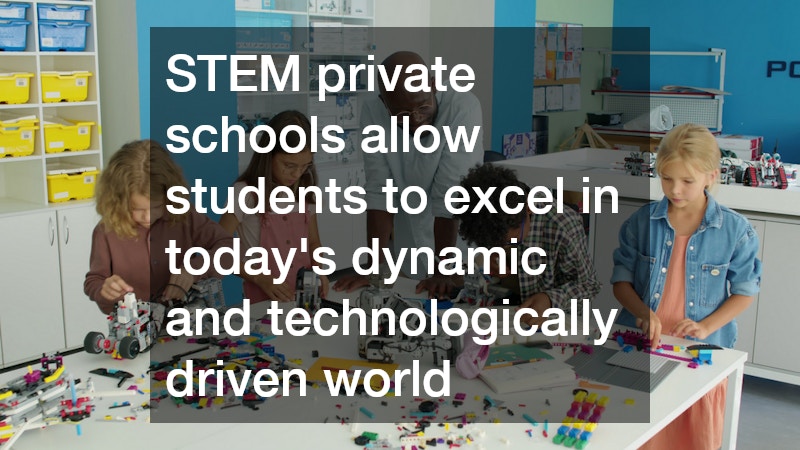
Private schools hold a distinct advantage in providing superior STEM education through strategic resource allocation, specialized programs, and measurable outcomes. Their commitment to small class sizes, investment in advanced technology, and recruitment of experienced educators all contribute to an enriched learning environment. Unique programs, partnerships, and extracurricular activities further set private schools apart as leaders in STEM education. Through rigorous evaluation and recognition of achievements, these schools continually demonstrate their efficacy and impact. Thus, a STEM private school education offers students a robust platform to excel in today’s dynamic and technologically driven world.
About the Author